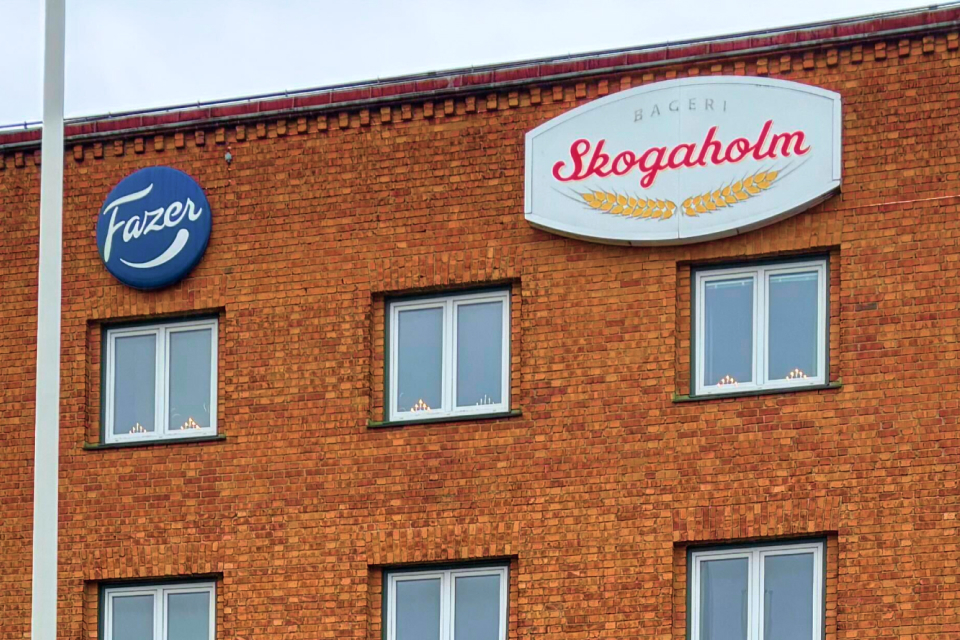
Maintenance at Fazer’s bakery in Eskilstuna was long dominated by reactive work, with much time spent solving immediate problems instead of working long-term and preventively. When Johan Mielke became maintenance manager the goal was clear: to create more structure, better planning and a more predictable maintenance organisation.
In just a few years they have increased the share of preventive maintenance and at the same time created a more structured and predictable everyday operation.
From emergency interventions to control
Fazer is one of the leading food companies in the Nordics with several facilities in Sweden. At the bakery in Eskilstuna, where Johan is responsible for maintenance, a team of nine technicians keeps production running around the clock.
A large part of the time was previously spent handling urgent issues, which made it difficult to build a clear daily structure and plan work efficiently.
– The goal was to have the machines running when they should and serviced when they should, and to move away from running on emergency callouts toward a more preventive approach, says Johan.
The need for change became clear both to reduce stress in the organization and to create a more stable production.
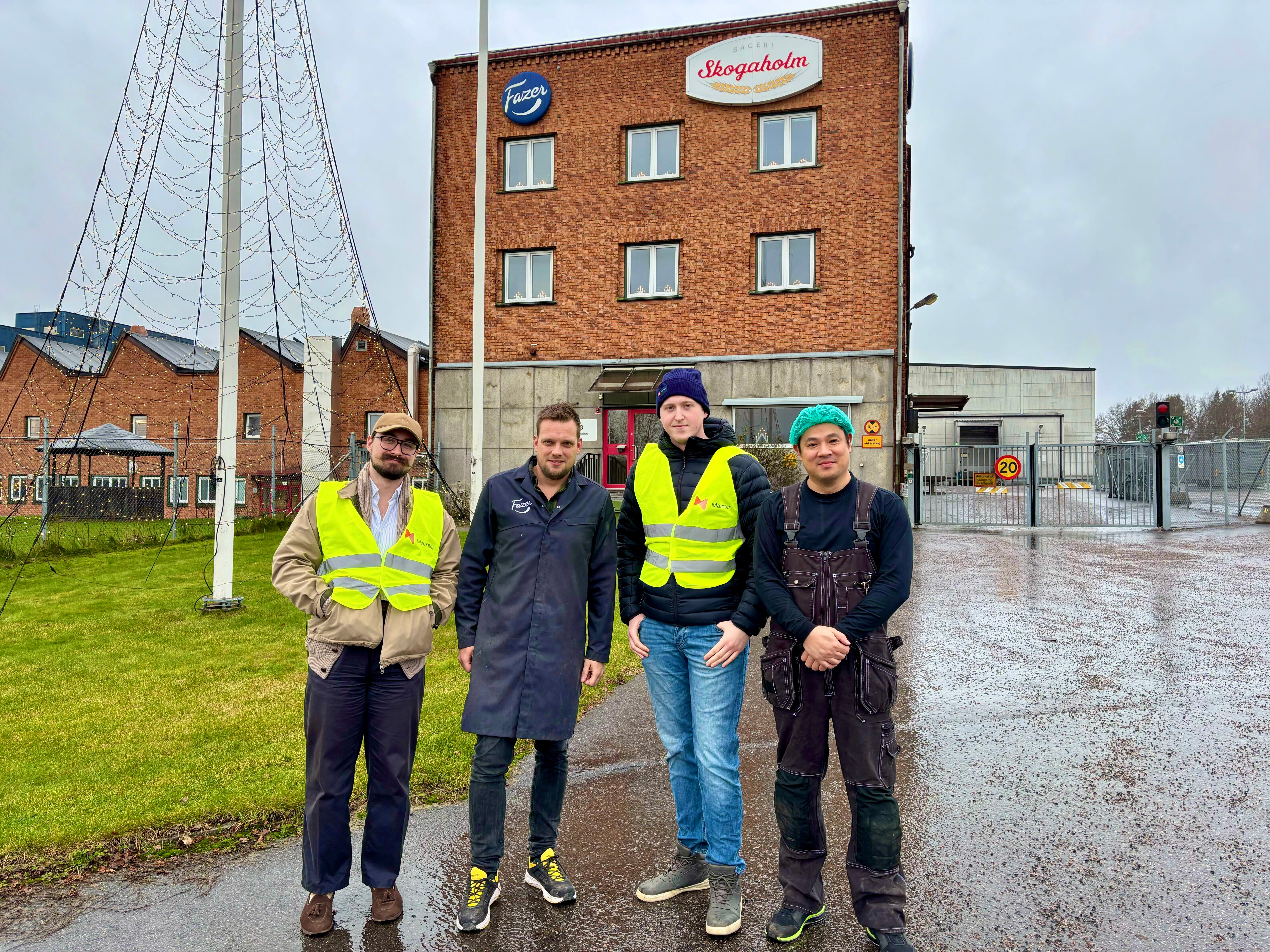 Maintenance manager Johan Mielke and maintenance technician Cam Pien Lieu at Fazer in Eskilstuna, together with William Rozenek and Oskar Wixner from Mainter.
One shared system instead of several
Fazer also faced another challenge: different maintenance systems were used at different facilities, which highlighted the importance of good collaboration, information sharing and a unified way of working. The decision to implement Mainter was therefore not just about changing software, but about creating a common foundation for how maintenance should be carried out.
– We wanted the same system at all our bakeries in Sweden so we can help each other, work the same way and have a common structure, Johan explains.
A decisive factor in the choice was user-friendliness and the ability to configure the system to suit the business.
A day-to-day with clearer structure
Today Mainter is a central tool in daily work. Every morning starts with a prioritization meeting where the team reviews work orders and plans the day – something that creates a clarity they didn’t have before.
– We want technicians to be able to come in and see exactly what they need to do, which creates calm in daily operations and makes work flow better, Johan explains.
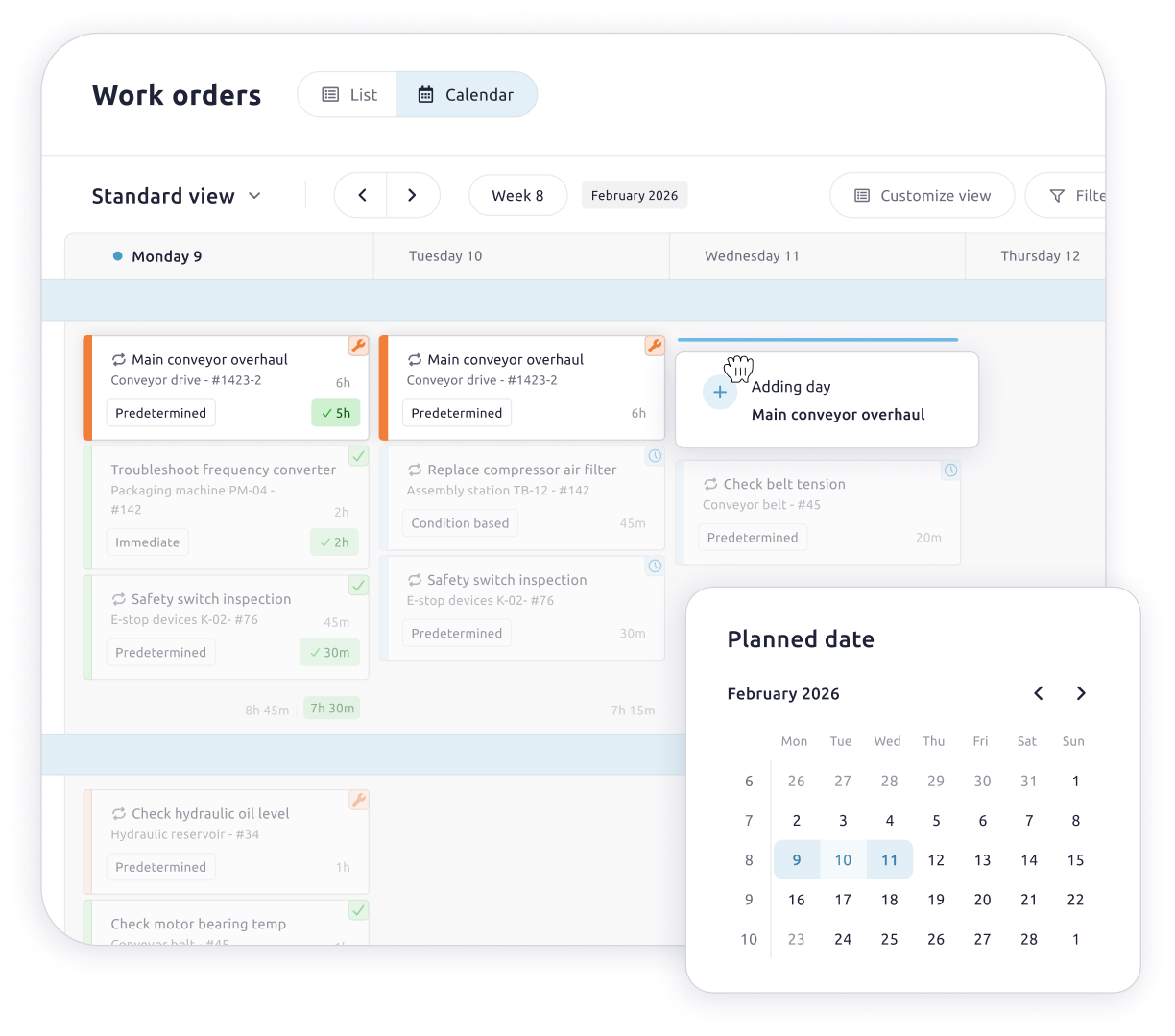
A key tool has become Mainter’s planning calendar, both for scheduling preventive maintenance and for coordinating resources between internal and external technicians, while also providing a clear plan for the day.
– The planning tool is what we use most in our day-to-day. It lets us work more proactively and stay one step ahead instead of reacting to problems, says Johan.
At the same time, communication with production has improved markedly. Today fault reports often include photos and clearer descriptions, allowing technicians to prepare better and bring the right equipment straight away.
The result: more preventive work – less stress
The biggest change is visible in how maintenance work is distributed over time. With Mainter and a more planned approach they’ve reduced reliance on emergency interventions and focused more on preventive work.
In just a few years Fazer in Eskilstuna has:
-
significantly increased preventive maintenance
-
reduced the need for emergency interventions
-
gained better control over both resources and costs
– Today we have a much better grasp of what we do, when we do it and why, and we can follow up work in a completely different way than before, Johan says.
With data from the system, the Fazer team in Eskilstuna can analyze work in more detail, identify problem areas and make better decisions about priorities and investments.
A journey that continues
Despite the clear results, Johan sees that the system’s potential is far from fully used.
– We’re probably using 30–40% of the system’s capacity today, so there’s a lot more to gain going forward, he says.
Next steps include connecting the facilities even more closely and working more uniformly, for example by sharing spare parts and lessons learned between sites – measures that can reduce costs, speed up problem solving and create a more data-driven maintenance organization.
The advice: start simple and build
For other companies facing similar changes, Johan’s advice is clear: start simple and build the system step by step.
– If you try to do everything at once it easily becomes too complex, so it’s better to start with the basics and then expand gradually, he notes.
He also stresses data quality as a decisive factor in succeeding with a maintenance system and deriving the right value over time.
– Garbage in, garbage out. If we don’t enter the right data, we won’t get the right results.
"Mainter is the heart of our maintenance work"
Today Mainter is a natural part of Fazer’s maintenance organization at its bakeries in Sweden and a tool that holds daily work together.
– Mainter is the heart of our maintenance work, where everything ties together and where we control how much we want to use and develop the system. I think Mainter is an incredibly good and user-friendly system – you don’t have to spend a lot of time optimizing it yourself, you get most of it out of the box, says Johan.
With a clear direction ahead, Fazer in Eskilstuna continues its journey toward more preventive, data-driven and efficient maintenance, with Mainter playing a central role in keeping work coordinated.
Want to know more?
Fazer in Eskilstuna shows how a modern maintenance system can create structure, increase the share of preventive maintenance and give better control over both resources and costs.
Would you like to see how Mainter can help you work more planned, reduce emergency interventions and get a better overview of your operations? Book a free demo and discover the possibilities yourself.