Articles
What is corrective maintenance?
- Mainter
-
- 2 min reading
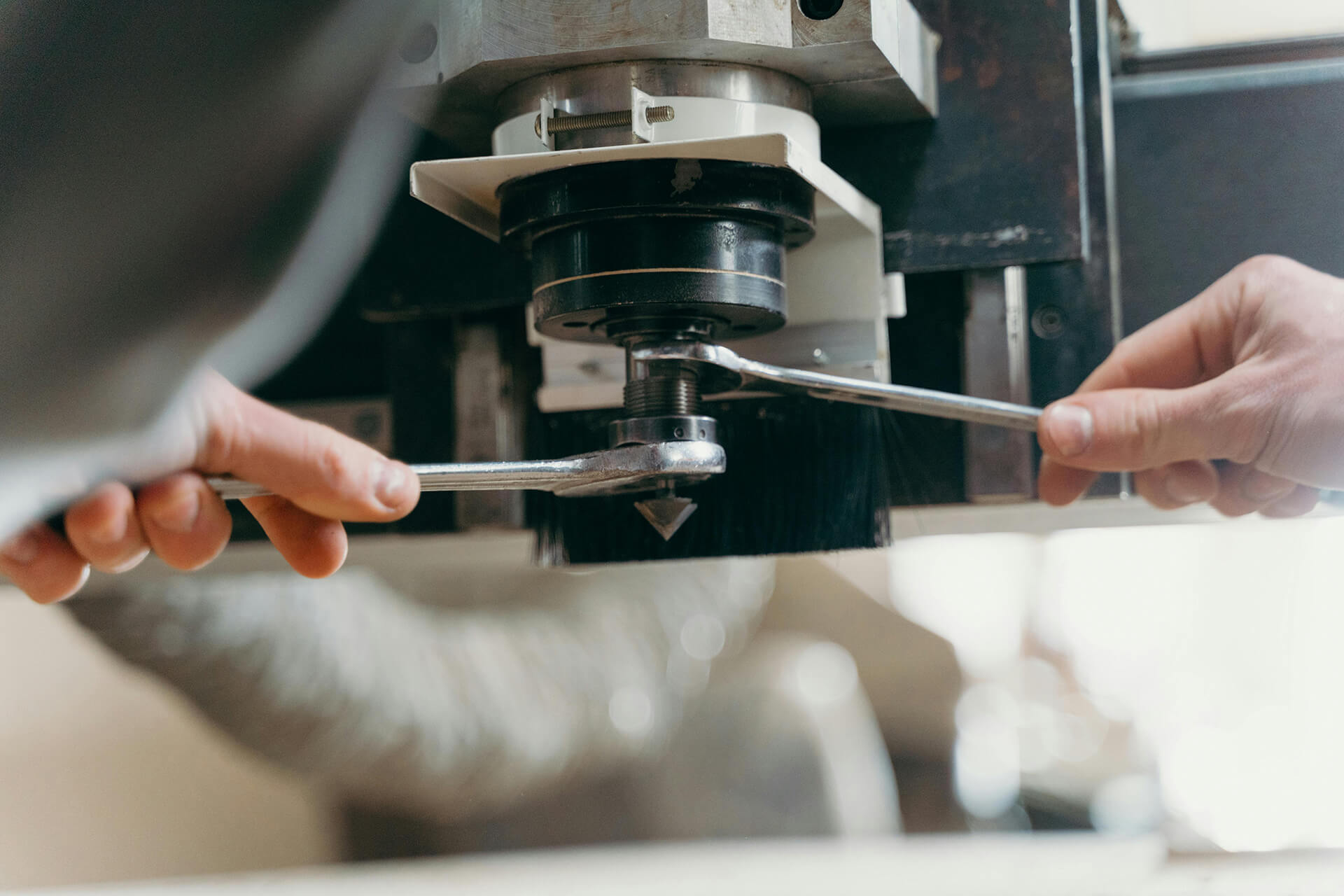
In industry and facilities management, corrective maintenance is an established strategy. In short, it means repairing or replacing equipment only after it has failed, with the goal of restoring the equipment to proper function when a fault has occurred. It is also called reactive, emergency or repair maintenance.
When is corrective maintenance appropriate?
A corrective strategy is used mainly for cost reasons. The “run it until it breaks” principle, for example, fits non‑critical machines with low replacement costs. If a failure does not negatively affect production or personnel safety, there is rarely reason to spend resources on expensive scheduled interventions through preventive maintenance. An established industry benchmark is the 80/20 rule, aiming for 80 percent preventive actions and 20 percent corrective maintenance.
Emergency and deferred actions
Corrective maintenance work is usually divided into two main categories based on how urgent the fault is: emergency actions and deferred actions.
Emergency actions
Emergency corrective maintenance occurs when a machine stops completely and production is affected. A technician must be dispatched immediately to resolve the problem and minimize downtime.
Example:
A drive motor on a central packaging machine short‑circuits and trips. Because the line loses the flow of finished goods, an alarm is sent to the maintenance department. The fault is prioritised over ongoing work, and a new contactor is fitted on site so the conveyor can start rolling again.
Deferred actions
Deferred corrective maintenance is used when a fault is detected that does not prevent the machine from operating. A repair work order can therefore be scheduled in the calendar for a later time when it better fits the operation.
Example:
An operator notices an oil leak on a compressor. The machine’s pressure is still at an acceptable level and no production needs to be stopped immediately. A fault report is created in the platform, and the replacement of the damaged seal is scheduled for next week’s regular service window.
Handle urgent faults smoothly in a maintenance system
A modern digital maintenance system (CMMS) helps operators file a work request on the spot and quickly alert technicians via mobile. A structured workflow also simplifies documentation of completed repairs. With predefined cause and completion codes in the work order, every intervention gets a clear tag. That information then forms the basis for future failure‑pattern analysis and helps you decide on permanent improvements. All history and resource usage are saved automatically, and the collected data supports evaluating whether equipment should be replaced or moved to a more structured service plan.
Pros and cons of corrective maintenance
There are both advantages and disadvantages to using a corrective strategy:
-
Advantages: Low initial costs for planning and monitoring. You avoid replacing parts that still work and save time on administration.
- Disadvantages: The risk of unplanned downtime increases significantly. A sudden failure often leads to longer stoppages and more expensive repairs. If the spare parts stock lacks the right components at the acute moment, it can also create significant stress for personnel.
Try for Free
Want to Try Mainter?