Articles
Ongoing inspections: Simplify your checks
- Mainter
-
- 2 min reading
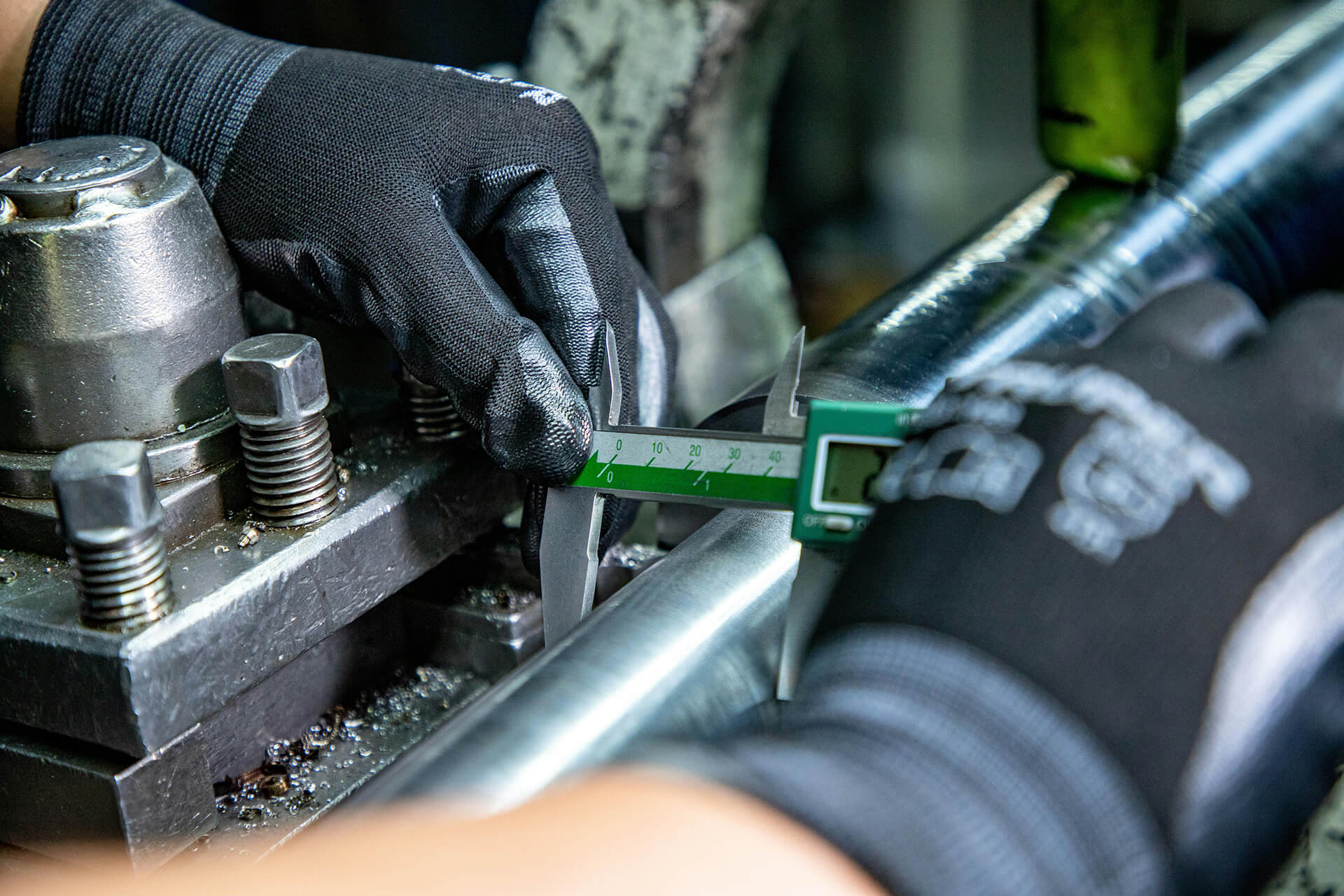
Ongoing inspections (fortlöpande tillsyn) mean regular checks of machines and facilities to prevent serious accidents and unnecessary wear. The work consists of inspecting, testing and maintaining technical equipment such as pressure vessels, pipelines, boilers and valves.
These routines exist to ensure the operation meets applicable legal requirements and to identify deficiencies before they risk causing harm to people or property. Industrial facilities are required to document their ongoing inspections systematically to be approved during external audits by the Swedish Work Environment Authority (Arbetsmiljöverket).
How to structure your inspections
Working systematically with your inspections builds a solid foundation for the facility’s overall maintenance work. Below are concrete steps to establish a reliable and safe routine on site.
1. Planning and clear instructions
Start by mapping all equipment subject to inspection requirements. Then fill the documentation with clear directives for what should be measured and checked. Vague descriptions like “check condition” leave too much room for personal interpretation. Work orders should instead contain measurable guidelines, for example “measure wall thickness and confirm it exceeds X millimetres.”
2. Systematic documentation
Arbetsmiljöverket requires that all results, observations and actions taken are recorded on an ongoing basis. A clear history of the machinery provides a solid basis for assessing expected service life and future maintenance needs.
3. Scheduling and reminders
A digitised approach to preventive maintenance generates automatic notifications when the next inspection is due and reduces the risk of important checks being forgotten. The system ensures statutory timeframes are met and that the right person is assigned the task at the right time.
4. Data analysis
Continuously reviewing collected data, measurements and inspection results helps reveal hidden patterns before they lead to downtime. A digital maintenance system can compile history and statistics on wear of individual machine parts and give you a reliable basis for adjusting service intervals and planning the facility’s long‑term needs.
5. Actions and follow‑up after inspection
When an inspection is complete, the next step is to handle any deviations and correct deficiencies. Equipment should undergo a functional check before being returned to full service. Furthermore, systematic archiving of all inspection reports and work orders is required. In a maintenance system you can conveniently store all documentation to build a complete machine history over time and present correct records during future authority inspections.
How often should ongoing inspections be carried out?
According to the Swedish Work Environment Authority’s guidelines, inspections should be carried out regularly and adapted to how the equipment is loaded and the environment in which it is placed. Risk class, the manufacturer’s instructions and applicable regulations also play a role. Routines are often divided into different stages of the facility’s lifecycle:
-
At installation: Initial assessment before the equipment is commissioned for the first time.
- Quarterly: Visual inspections and simple functional checks for wear.
- Annually: Comprehensive reviews and tests according to a predetermined maintenance plan.
- After repair: Check and approval before the equipment returns to normal operation.
Employer responsibility and applicable regulations
The employer has the primary responsibility for a safe working environment where all technical equipment is handled responsibly. The work is fundamentally governed by the Work Environment Act, supplemented by relevant EU directives and industry standards. Companies with ISO certifications face additional requirements for documented maintenance and traceability.
Specific regulations, for example those concerning pressure equipment, clearly regulate how equipment must be inspected to reduce accident risks. The employer always retains formal responsibility for inspections, but some checks of higher‑risk machinery may only be carried out by an independent and accredited control body.
"The employer shall take all measures necessary to prevent employees from being exposed to ill health or accidents." – Work Environment Act (Ch. 3, Sec. 2)
Get organised with a modern system
Moving from traditional paperwork to a digital CMMS simplifies management of your ongoing inspections. Database‑based handling gathers all information on manufacturers, serial numbers, risk classes and history in one place. When an authority inspection is due, your operation will always have all inspection reports and corrective actions available.
Try for Free
Want to Try Mainter?